October 3, 2026

Rishikesh changes more across the year than its reputation as a year-round destination suggests. The river, the weather, and the crowds all shift noticeably by season, and what counts as the best time really depends on what you’re there for: a calm riverside stay, white-water rafting, yoga season, or the Char Dham pilgrimage traffic passing through. Here’s how each stretch of the year actually plays out.
October to February – Cool, Clear, and the Most Popular Stretch
October to November –
This is the period most travel guides point to as the best time to visit Rishikesh, and for good reason. Daytime temperatures sit comfortably in the 15 to 25°C range, skies are clear most days, and the river runs calm and clear after the monsoon has settled.
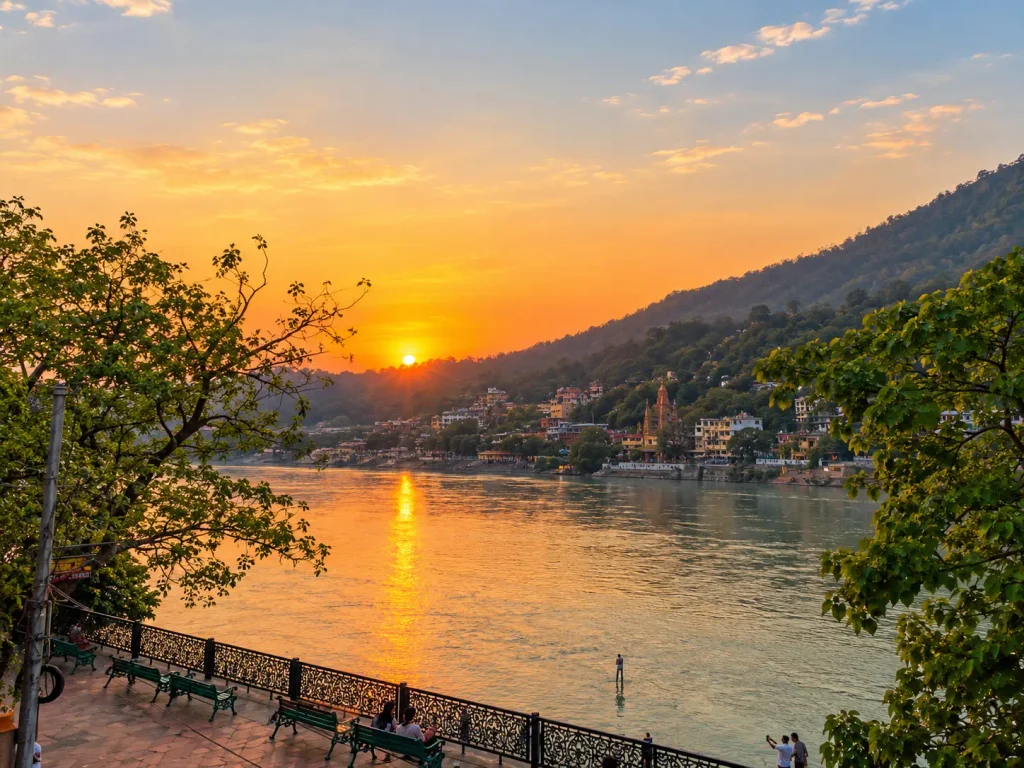
December to January
The coolest months, with early mornings dropping close to 5 to 10°C. Evenings by the river can get genuinely cold, so it’s worth packing layers even though the days stay mild.
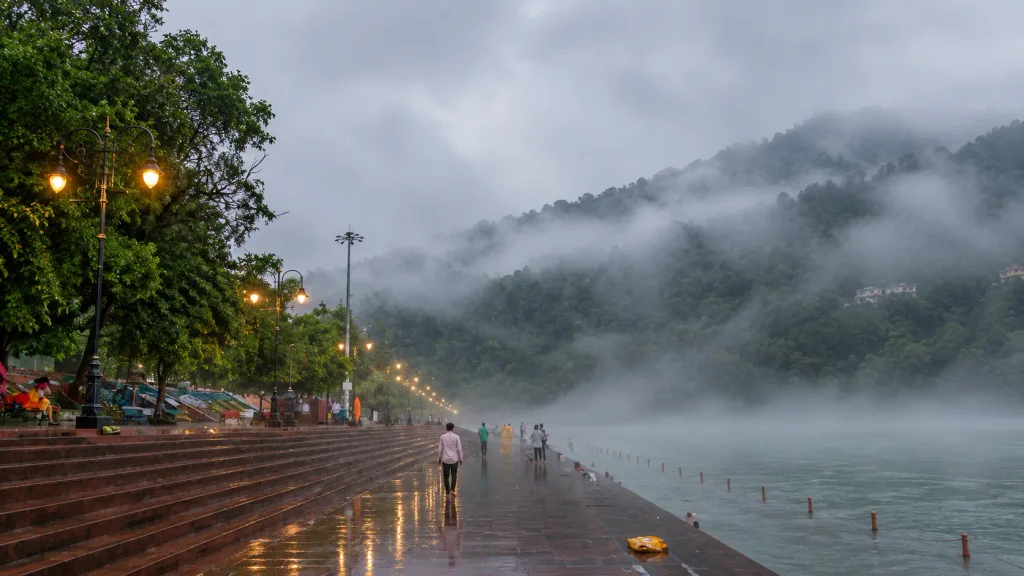
February
Temperatures start climbing again, and this tends to be a quieter month before the spring crowds arrive, making it a good pick if you want the good weather without the peak-season bookings.
This stretch is also when hotel rates and availability near the river tend to be tightest, since it overlaps with the most comfortable weather window of the year.
March to May
Warming Up, Still Manageable Early On
March and early April are a reasonable transition period, still comfortable during the day and only occasionally warm. By May, though, daytime temperatures regularly climb past 35°C, and the midday heat makes extended time outdoors, especially away from the river, noticeably less pleasant.
March – A solid middle-ground month, warm days without the full heat of summer
April – Getting warmer, best enjoyed with activities planned for morning or evening rather than midday
May – The hottest month before monsoon arrives; river-adjacent areas stay more bearable than the town center, but outdoor sightseeing is best done early or late in the day.
June to September – Monsoon Season
This is the stretch that most affects river-based activities specifically. The Ganga rises significantly during monsoon, rafting is typically suspended for safety reasons, and some lower ghats can become partially inaccessible or unsafe for the usual rituals and bathing.
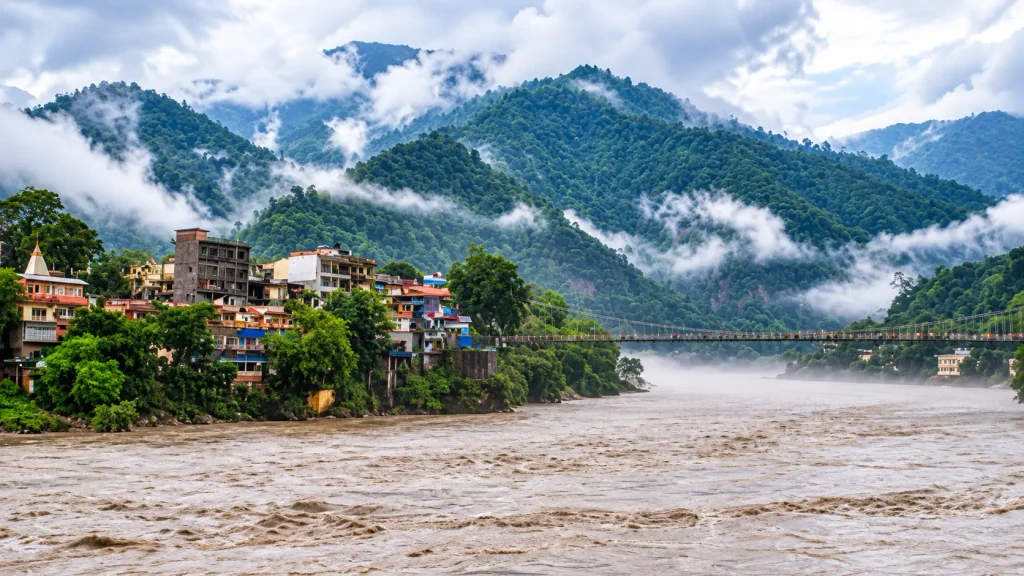
June – Pre-monsoon, often humid and unpredictable, with rain increasing toward the end of the month
July to August – Peak monsoon, with heavy rainfall, swollen river levels, and a real chance of road disruptions on routes to higher-altitude day trips like Kunjapuri
September – Rain tapers off gradually, and the river starts settling back toward its calmer post-monsoon state by the month’s end
Monsoon isn’t without its appeal. The hills turn a deep green, the waterfalls run fuller, and the town is noticeably quieter than peak season. But it’s the one stretch of the year where river-based plans need the most flexibility built in.
What This Means for a River-View Stay
If a direct river view and a calm, clear Ganga are central to why you’re visiting, October through February is the most reliable window; the water is at its clearest and the weather supports spending real time outdoors by the river. Monsoon months bring a higher, faster-moving river, which changes the character of a riverside stay even though the room and the view itself remain the same. Shoulder months (March, September) offer a reasonable middle ground for travelers more flexible on both weather and crowd levels.
Conclusion
There isn’t a single best month for Rishikesh so much as a best month for a particular kind of trip. October to February suits travelers prioritizing comfortable weather and a calm river. March and September work well for those wanting fewer crowds without the extremes of peak summer or full monsoon. June through August suits a different kind of visitor entirely, one drawn to the lush, quieter off-season rather than ideal river conditions.
If you’re planning a river-facing stay, Hotel River Heaven offers Ganga view rooms just a short distance from Triveni Ghat, with the river at its calmest and clearest through the October to February window.