October 10, 2026
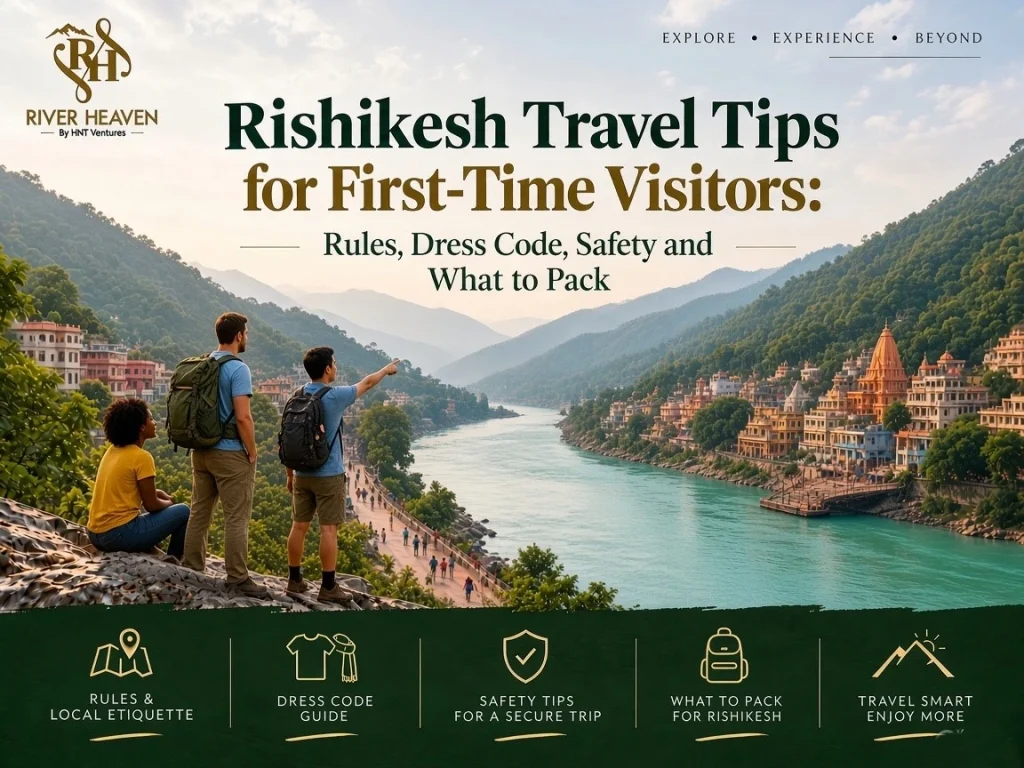
Rishikesh looks like a typical hill-town getaway in photos: a river, a few bridges, mountains in the background. In person, it behaves more like a pilgrimage town that also happens to attract yoga students, backpackers and adventure travelers. That mix is what makes it interesting, and it’s also why first-time visitors are sometimes caught off guard by local norms they didn’t know about. These Rishikesh travel tips cover the things worth knowing before you arrive.
Understand That It’s a Holy Town
Rishikesh sits on the Ganga and is considered one of the most sacred places in Hindu tradition. The practical effect is that the core town area, especially around the ghats, ashrams and the two suspension bridges, is largely vegetarian, and alcohol and non-vegetarian food are generally not sold in this stretch. Rules and enforcement can vary slightly by neighborhood and over time, so if either matters to your trip, it’s worth checking locally rather than assuming.
Most visitors find this adds to the atmosphere rather than limiting the trip. The food scene leans on fresh vegetarian cooking, from simple thalis to cafés serving continental and multi-cuisine menus.
Dress Code: Modest Near Religious Sites
There’s no strict enforced dress code across the town, but modest clothing is the norm and is appreciated, particularly at the ghats, temples and ashrams.
- Covered shoulders and knees are a safe default for ghats, temples and the evening Ganga Aarti
- Loose, breathable cotton works better than heavy fabrics in warmer months
- Swimwear is fine for rafting and for beaches along the river when you’re with an operator, but not for walking around town or the ghats
- Shoes are removed at temples and ashrams, so slip-on footwear saves time
Is Rishikesh Safe?
Rishikesh is generally considered a safe, welcoming destination, including for solo and female travelers, largely because of its steady flow of pilgrims and long-term visitors. The usual common-sense precautions still apply.
- Keep valuables out of sight in crowded spots like Ram Jhula, Laxman Jhula and the Aarti crowds, where pickpocketing is possible
- Be cautious with unsolicited offers from strangers for tours, guides or special ceremonies, and agree on prices before accepting anything
- Avoid walking unlit riverside stretches alone late at night
- Monkeys are common around the bridges and ghats; keep food and loose items secured and avoid feeding them
On the water, safety matters more than anywhere else. Swim only in designated areas, since the Ganga’s current is stronger than it looks, and don’t enter the river during or soon after heavy rain.
Money, Phones and Connectivity
- ATMs are available in town, but they can run out of cash on busy weekends and festival periods, so carry some cash as a backup
- Many small cafés, shops and taxi drivers prefer cash or UPI, so having both is practical
- Mobile networks work well in the main town but can weaken on hill routes to places like Kunjapuri or in the forest areas around the Beatles Ashram, so download offline maps before heading out
Getting Around
Within the riverside area, walking is often the quickest option, since the two bridges are pedestrian and two-wheeler only. Autos and shared tuk-tuks cover longer stretches, and taxis are the practical choice for day trips outside town. Agree on the fare before you set off, or ask your hotel for typical rates to avoid overpaying.
What to Pack by Season
Packing depends heavily on when you visit, and the weather changes more than most people expect. A month-by-month weather guide for Rishikesh covers this in detail, but here is a quick version:
- October to February: Light layers for the day, a warm jacket and scarf for early mornings and evenings
- March to May: Light cotton clothing, sun protection, a hat and a reusable water bottle
- June to September: A rain jacket or compact umbrella, quick-dry clothing and shoes with good grip, since ghat steps and trails get slippery
Year-round essentials include comfortable walking sandals or shoes, a small day bag, sunscreen, any personal medication, and a power bank.
Etiquette at the Ghats and the Ganga Aarti
The evening Aarti is a religious ceremony, not a performance, and behaving accordingly makes the experience better for everyone.
- Arrive early for a good spot, and keep your voice low during the ceremony
- Ask before photographing priests or individual worshippers
- Avoid pointing your feet toward the river or the fire, and don’t step over offerings
- Don’t litter, including flower and diya remnants, and use the bins provided
Conclusion
A first visit to Rishikesh goes more smoothly when you treat it as the pilgrimage town it is: dress modestly near sacred spots, respect the vegetarian and alcohol-free norms, keep basic safety habits in crowded areas, and pack for the season you’re actually traveling in. Get those few things right and the town is easy and rewarding to explore.
If you’re choosing where to stay for a first trip, Hotel River Heaven offers Ganga view rooms a short distance from Triveni Ghat, which keeps the morning ghat walks and the evening Aarti within easy reach and makes a convenient base for a first visit.